Balancing making a difference with making a living in the conservation sector
We asked 2694 conservationists working globally how satisfied they were with progress toward goals important to them and examined how this varied among different groups.
We asked 2694 conservationists working globally how satisfied they were with progress toward goals important to them and examined how this varied among different groups.
We examine the relationship between potentially harmful World Bank-funded project activities and areas of conservation importance. We find that 5 by 5 km cells containing a project activity are more likely to contain a Key Biodiversity Area, or a biodiversity hotspot, and have on average greater richness of globally threatened species, than those without.
We investigated how network processes such as information flows and social influence influenced behavior change in the context of a social marketing campaign to promote a wildlife poisoning hotline in Cambodia.
Using the theory of planned behaviour, informant interviews and focus group discussions, we investigated drivers of wildlife poisoning across ten communities in northern Cambodia.


Lizzie's dissertation research aims to understand people’s attitudes to growing food in cities.

We’re thrilled to be a part of ECoS, a new Centre of Excellence for Applied Conservation Science dedicated to the translation and application of science to conservation. For more about this exciting initiative, check out the ECoS website.

Taylor's MSc project examines the interactions between gender and community-based conservation in Tanzania

Catch up with Harriet's video diaries documenting her recent field season in Keo Seima Wildlife Sanctuary, Cambodia
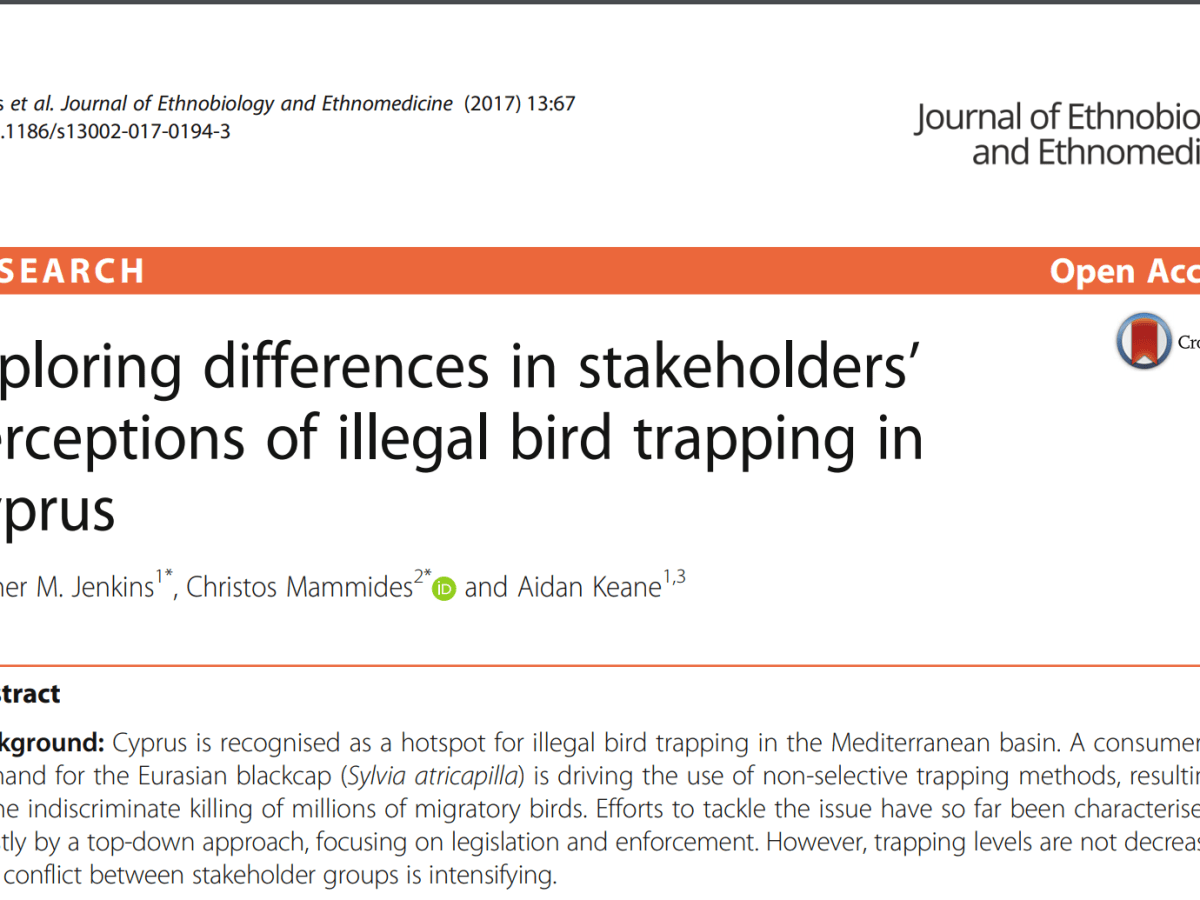
Cyprus is a hotspot for illegal bird trapping, but conservation efforts have been hindered by a lack of understanding between the local trapping community and the environmental NGOs.
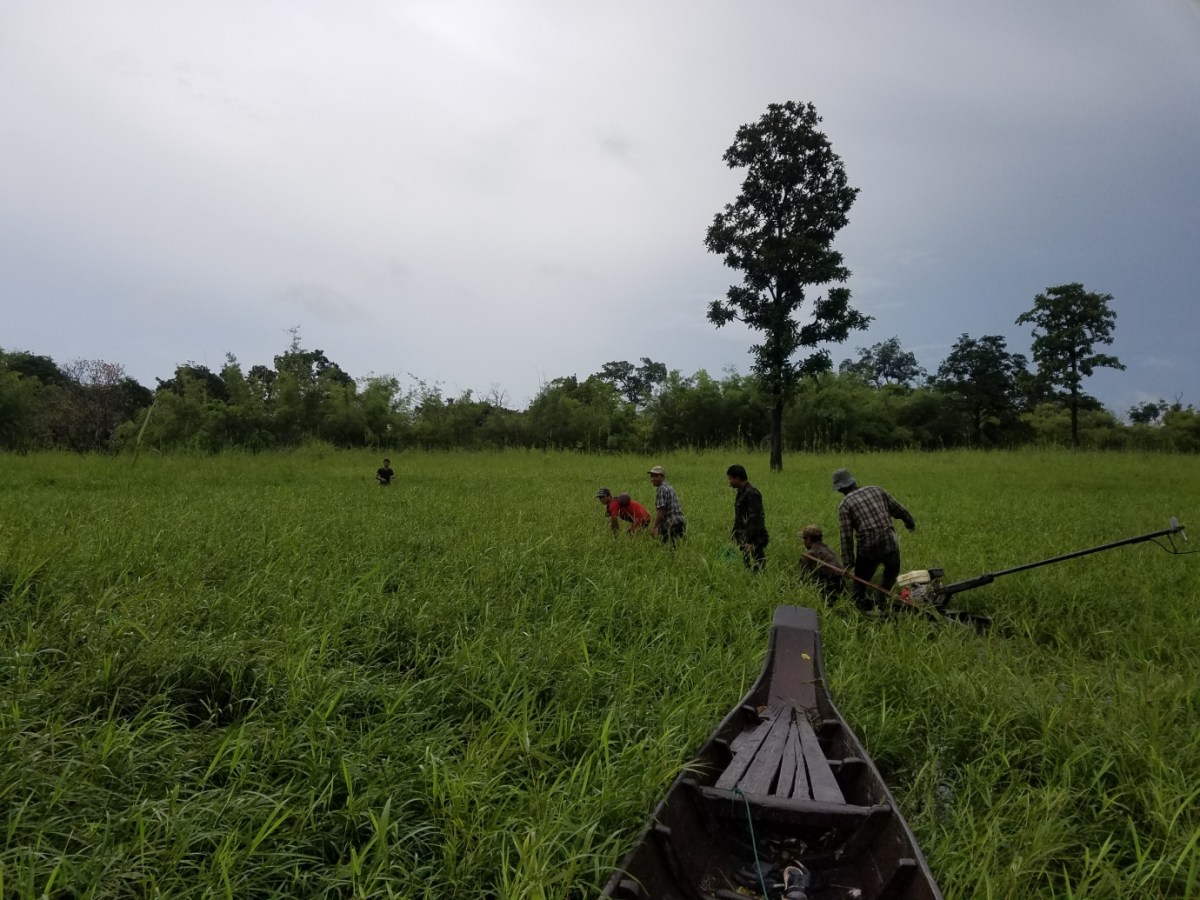
Emiel's latest update about his fieldwork and all the challenges of surveying households in rural Cambodia.

Projects on understanding factors influencing the global conservation agenda and interactions between conservation and development in West Africa.
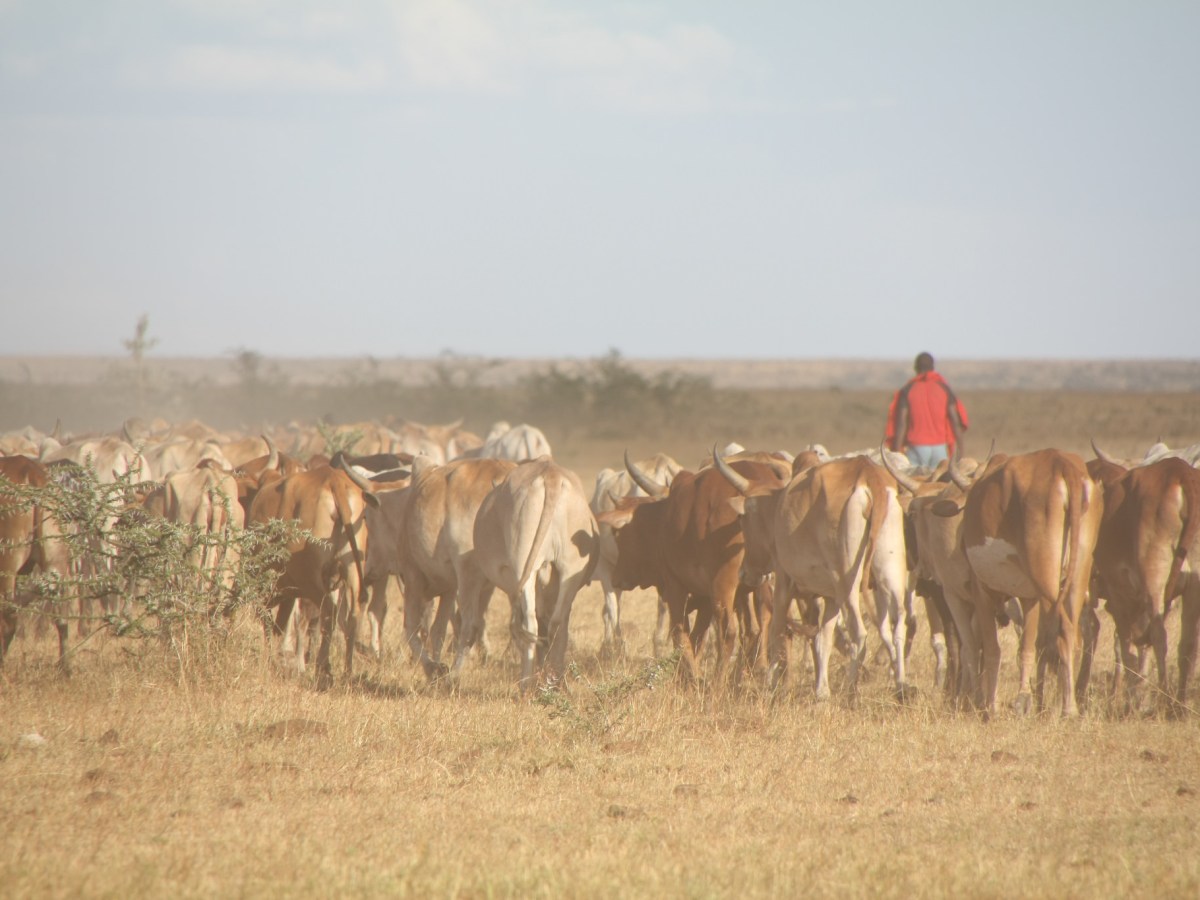
A new ESPA policy brief explores how Tanzania's Wildlife Management Areas have changed people's lives.

Tom’s research seeks to understand the ways that living alongside wildlife can affect people’s mental health, particularly in relation to disease transmission.
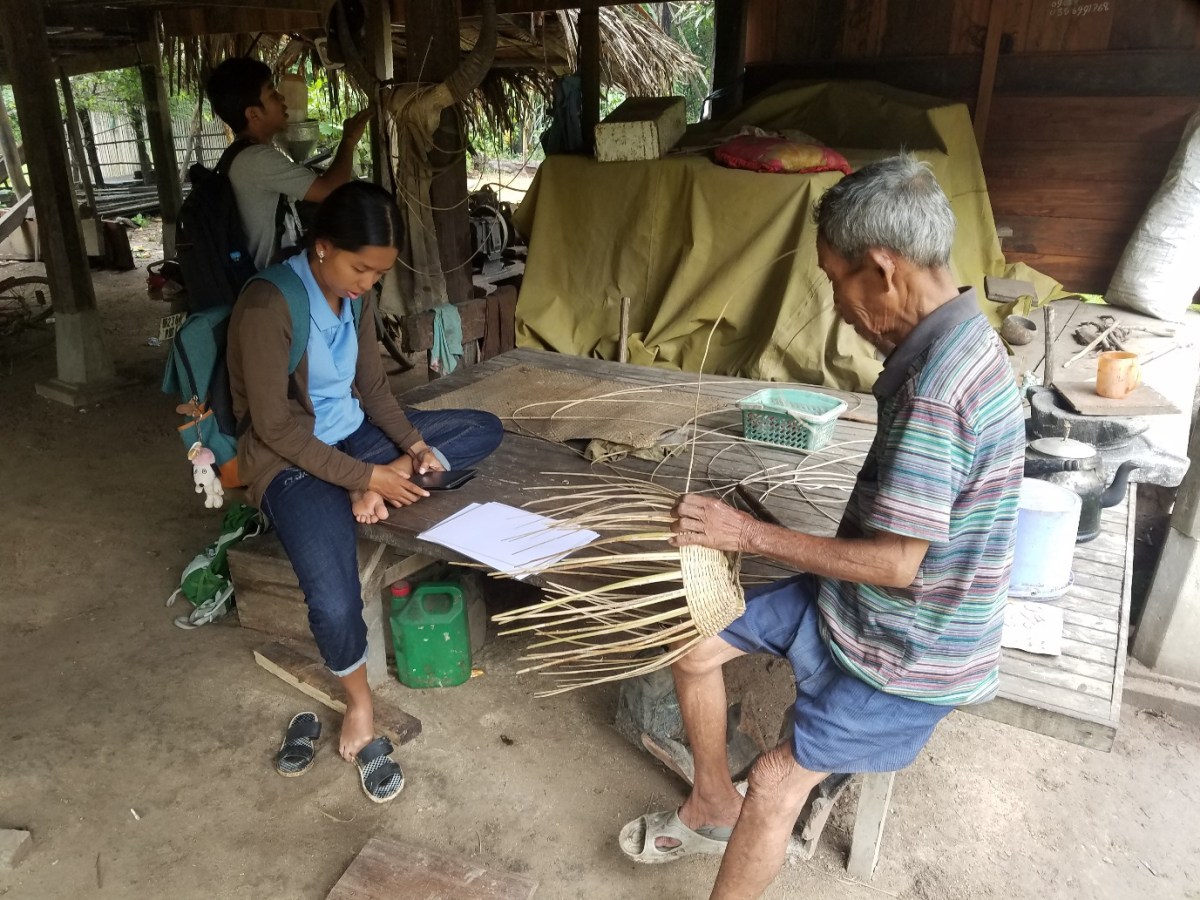
Emiel describes the first phase of his PhD fieldwork: a survey of ten villages, spread across two protected areas in Cambodia’s Preah Vihear province

 CONSERVATION SCIENCE